
Dental Insurance vs. Medical Insurance Prosper
Should I Use Dental Insurance or Medical Insurance for Oral Surgery?

If you’re considering undergoing major oral surgery, one of your first questions might be whether your medical or dental insurance will cover the costs. We’ve answered many of the most common questions about this below. But, if you ask about something we haven’t touched on here, you’re always welcome to give our team a call.
Is Oral Surgery Covered by Medical or Dental Insurance?

Whether oral surgery is covered by medical or dental insurance depends on the type of procedure, its cause, and your specific policy. Generally, medical insurance covers oral surgeries deemed necessary for health reasons, while dental insurance usually focuses on issues related to the teeth and gums.
When Medical Insurance Covers Oral Surgery

Medical insurance covers oral surgery when it’s directly related to a medical condition affecting overall health. Examples include:
Cancer-Related Treatments

If a patient needs oral surgery to treat a tumor or cyst in the jaw or face, or to prepare for cancer treatments like radiation or chemotherapy, medical insurance will typically cover the procedure.
Traumatic Injuries
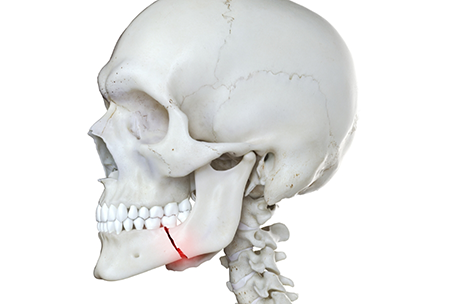
Surgeries for jaw fractures or facial injuries that require intervention are usually covered by medical insurance as they are considered essential for physical health.
Serious Illnesses

In cases where severe infections have spread beyond the mouth or life-threatening complications arise (such as sinus or airway issues), medical insurance can cover the necessary oral surgery.
How to Check If a Dental Procedure Is Covered by Medical Insurance

Determining whether a dental procedure is covered by medical insurance can be confusing, especially for complex treatments like implants or oral surgeries. Here’s how to get clarity:
Review Your Insurance Policy

Start by reading through your medical insurance policy. Medical insurance often covers procedures considered necessary from a health perspective, like surgeries related to trauma, cancer treatments, or severe infections. Dental procedures like fillings, wisdom teeth extractions, and implants usually fall under dental insurance.
Contact Your Insurance Company

A quick way to verify if a procedure is covered is by contacting your insurance provider directly. When calling, ask specific questions, such as whether they cover oral surgeries or dental implants, to get clear answers.
Check with Your Employer

If your insurance is through your job, speak with the benefits or HR department. Group insurance plans may include additional benefits or limitations that aren’t immediately clear in the general policy. They can help clarify coverage or connect you with the insurance provider for more details.